

News
- Home
- News

Training on Early Identification and Coordination of Children with Disabilities
Posted On March 16, 2026
A training program on “Early Identification and Coordination of Children with Disabilities” was organized on 10 March 2026 at the Primary Health Centre (PHC), Ryali, in Atreyapuram Block. The program was conducted by Badugu Mahima Rao, Community Based Rehabilitation (CBR) Coordinator, as part of the efforts to strengthen community-level identification and support for children with developmental challenges.
A total of 44 frontline health workers participated in the training program. The participants included 33 ASHA workers, 8 ANMs, and 3 other health staff members. Their participation reflected the commitment of grassroots health functionaries toward improving early identification and intervention for children with disabilities in the community.
The training session was guided by Mr. Badugu Mahima Rao, who highlighted the importance of early identification of developmental delays among children, particularly those below three years of age. He explained that recognizing developmental concerns at an early stage allows for timely medical intervention, rehabilitation, and family support, which can significantly reduce the severity and long-term impact of disabilities. He also emphasized that frontline health workers such as ASHA workers and ANMs play a vital role because of their close connection with families and their regular presence in villages.
During the session, the participants were oriented on several practical aspects related to community-based identification and coordination, including:
- Understanding basic developmental milestones in early childhood.
- Recognizing early warning signs of developmental delays and disabilities.
- Providing initial guidance to parents and caregivers.
- Referring suspected cases to appropriate medical professionals and diagnostic services for further evaluation and intervention.
The resource person for the program, Ms. Badugu Subbayamma, State Advocacy Coordinator (LAMP), addressed the participants on the rights and entitlements of persons with disabilities. She explained the various government provisions available, including pensions, concessions, and welfare schemes. She also stressed the importance of ensuring that persons with disabilities are included in village-level committees and community decision-making processes, thereby promoting an inclusive and rights-based approach to development.
The training witnessed active participation and interaction from the frontline health workers. Mr. Samuel, Supervisor of Ryali PHC, along with other health staff members, attended the session and appreciated the initiative taken to strengthen the community-based identification and referral system for children with disabilities.
Overall, the program contributed to enhancing the knowledge, awareness, and practical skills of frontline health workers in identifying developmental delays at an early stage and facilitating timely referrals and support services. Such initiatives play a crucial role in promoting early intervention, inclusive health practices, and improved well-being for children with disabilities in rural communities.
Read More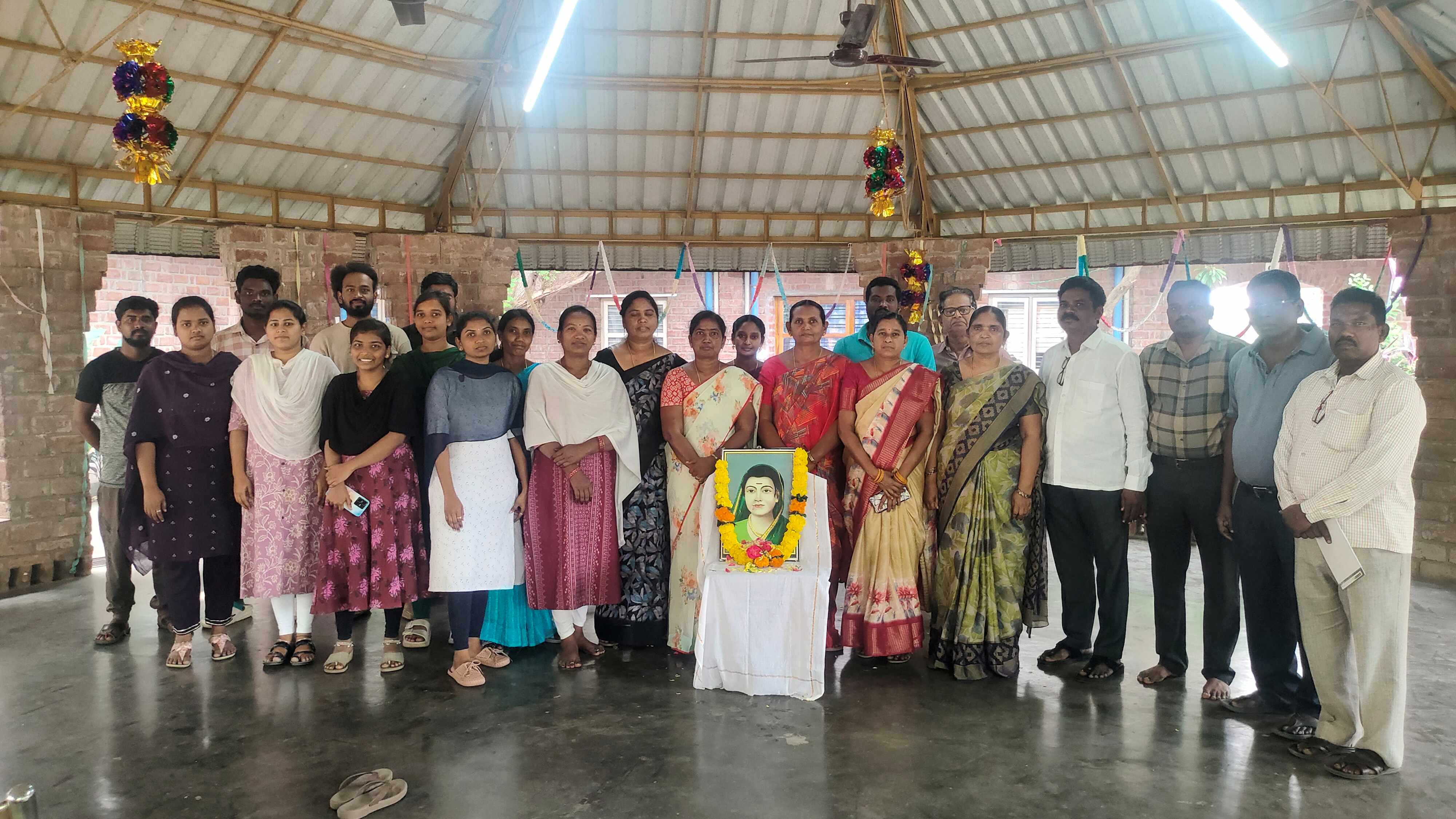
Commemorating the 195th Birth Anniversary of Savitribai Phule
Posted On March 14, 2026
On 3 January 2026, the 195th birth anniversary of Savitribai Phule, widely regarded as the Mother of Education, was observed with great respect and inspiration. The day is celebrated as National Women Teachers’ Day in recognition of her pioneering contribution to women’s education in India.
During a time when society strongly opposed education for women, Savitribai Phule courageously stood against social discrimination and injustice. She firmly believed that education was essential for everyone, especially for women and the oppressed communities who were denied access to learning. With this conviction, she established a school in their mango orchard and began teaching girls, becoming India’s first woman teacher.
Savitribai Phule was not only an educator but also a great social reformer. Inspired and supported by her husband, Jyotirao Phule, she worked tirelessly to ensure that women of all castes had equal access to education, just like men. Her efforts challenged deep-rooted social inequalities and opened the doors of learning for thousands who had been excluded from education for centuries.
Her service extended beyond education. During the outbreak of the Bubonic plague, she devoted herself to caring for the sick and the suffering. While serving plague victims, she eventually contracted the disease herself and passed away, leaving behind a legacy of courage, compassion, and social commitment.
After the death of Jyotirao Phule, Savitribai continued to lead and sustain the work of the reform movement he founded, the Satyashodhak Samaj, ensuring that its mission of social equality and justice continued.
The day was observed by PARA with the active participation of members from MACs (Mutually Aided Cooperative Society) and children associated with DB Tech. The program began with paying floral tribute to Savitribai Phule by garlanding her portrait as a mark of deep respect.
Mr. Srinivas from the District Child Protection Unit (DCPU) attended the event as the guest speaker. In his address, he highlighted the importance of education in empowering women and children, and explained how the vision of Savitribai Phule continues to inspire efforts for social justice and equal opportunities today. He encouraged the children and participants to value education and work towards building a society free from discrimination.
During the event, speakers reflected on the life and struggles of Savitribai Phule and emphasized her immense contribution to women’s education, social equality, and empowerment. The children and members participated actively, sharing their thoughts and learning about the importance of education and social awareness.
A total of 23 members participated in the program, making the celebration meaningful and inspiring.
The observance of Savitribai Phule’s birth anniversary served not only as a tribute to a pioneering educator and social reformer but also as a reminder of the continuing need to promote education, equality, and dignity for all sections of society. Her life and work remain a powerful inspiration for communities to strive for a future where every child—regardless of gender or social background—has access to education and opportunities.
Read More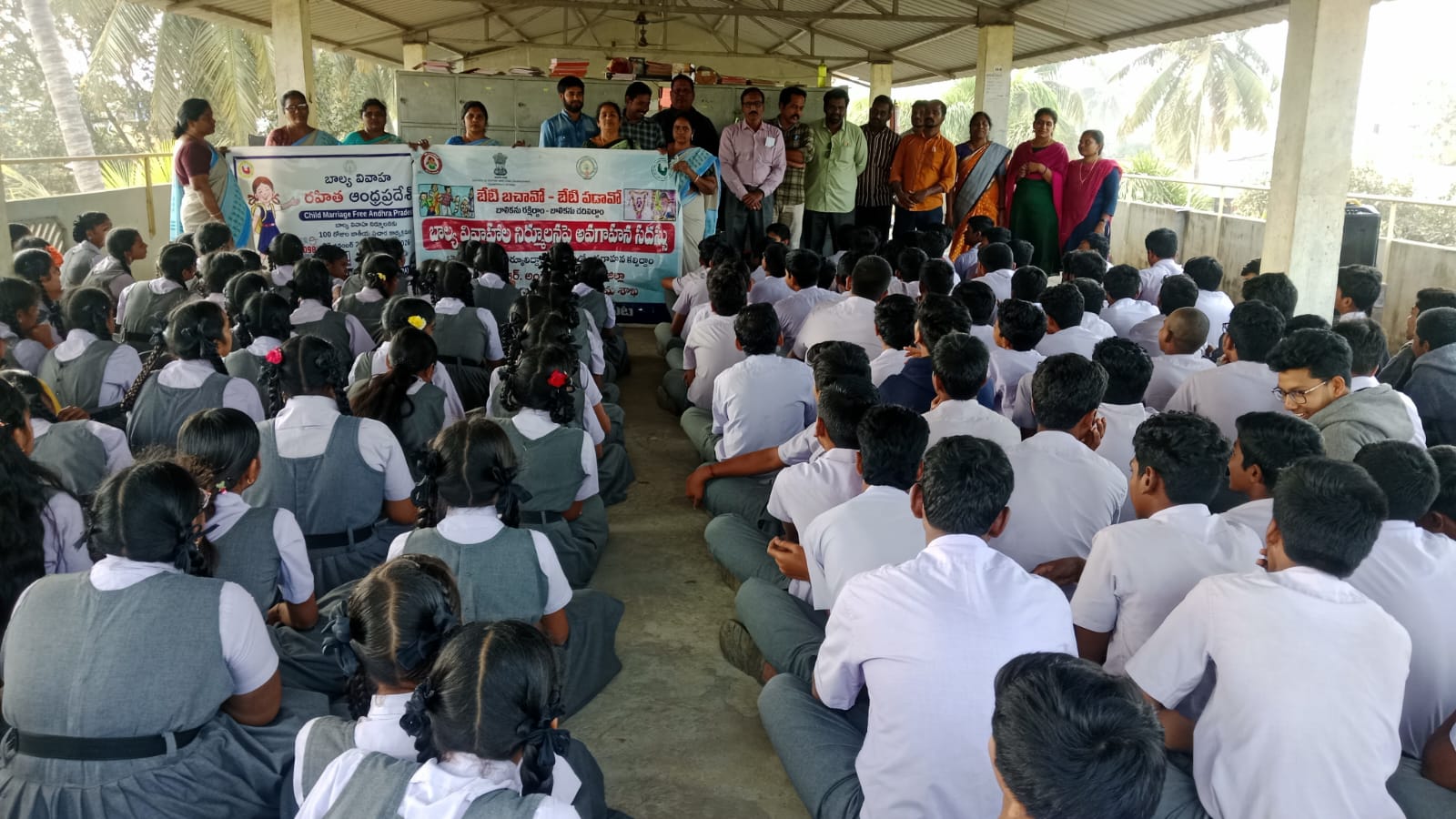
Report on National Girl Child Day Celebration
Posted On March 14, 2026
National Girl Child Day was observed on 24th January 2026 to promote awareness about the rights, education, and welfare of girls. Earlier, this day was not widely recognized at the grassroots level, but recently the government has taken steps to celebrate it more actively through the Women and Child Welfare Department in schools and villages.
On this occasion, various awareness activities were conducted to highlight the importance of educating and empowering the girl child. The Women and Child Welfare Department organized programs in several schools and hostels to sensitize children and communities about the value of girls in society.
PARA played a vital role in supporting and participating in these celebrations. The programs were conducted in the following institutions:
· Girls Hostel, Kothapeta
· ZPHS, Peravaram
· ZPGHS, Alamuru
During the programs, children were sensitized about the importance of girl child education, equality, and protection of their rights. Discussions and interactions were held to encourage students to respect and support girls’ opportunities in education and society.
The celebration helped create awareness among students and staff about the significance of National Girl Child Day and the need to ensure a safe, supportive, and empowering environment for girls.
Read More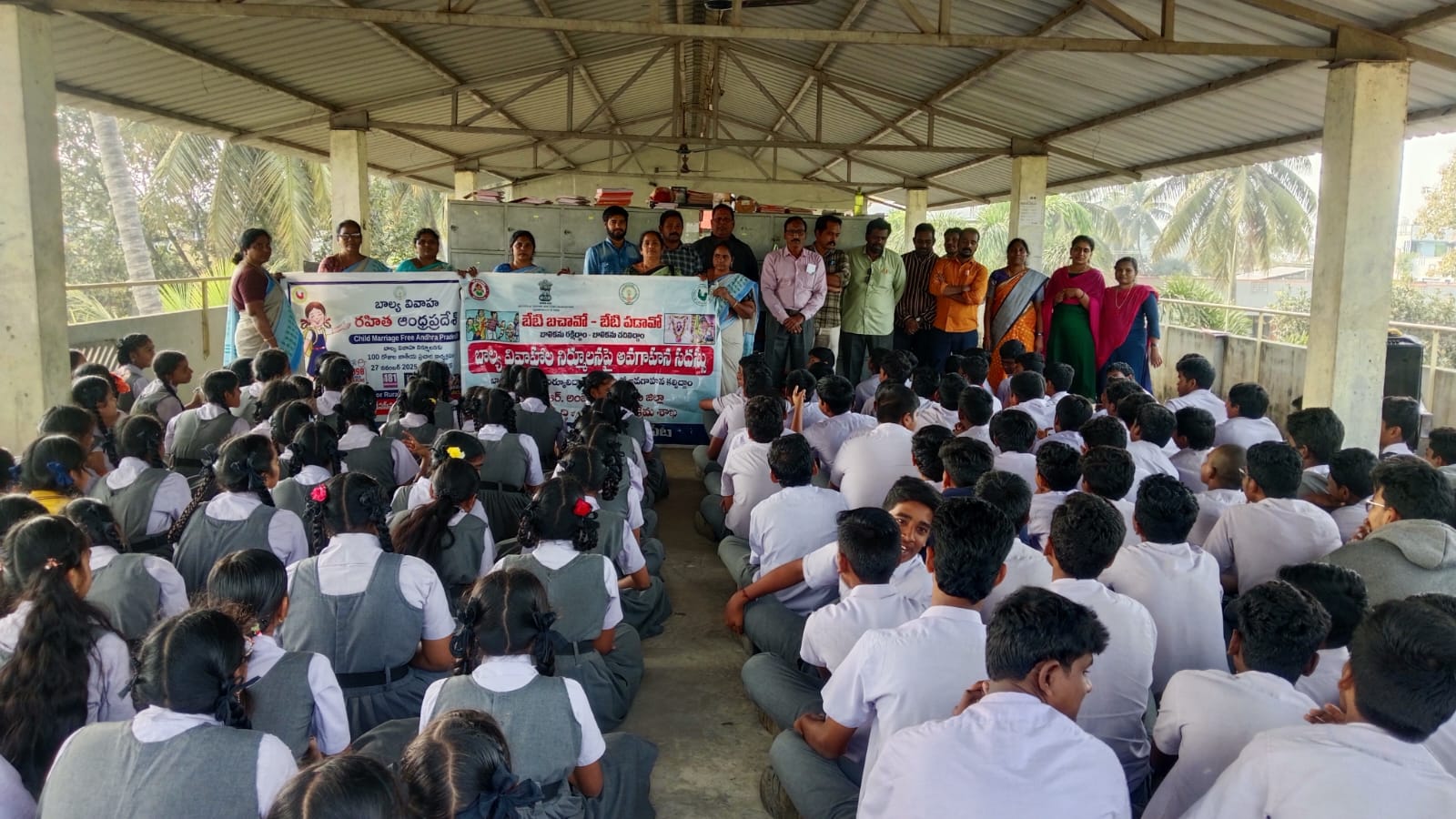
Child Marriage Free Andhra Pradesh – 100 Days Campaign
Posted On March 14, 2026
The Government of Andhra Pradesh, under the guidance of the Women and Child Welfare Department, launched a special “Child Marriage Free Andhra Pradesh” campaign. This campaign was conducted for 100 days from 27th November to 8th March, aiming to create awareness and prevent child marriages across the state.
At the grassroots level, the program was implemented through the Integrated Child Development Services (ICDS) department. In this initiative, PARA actively supported the campaign in all its working villages located in the blocks of Alamuru, Ravulapalem, Atreyapuram, and Kothapeta.
The awareness activities were mainly organized in schools and village communities. Through meetings, discussions, and interactive sessions, children and community members were educated about the harmful consequences of child marriage, including its impact on health, education, and future opportunities. Special emphasis was placed on informing children about their rights and encouraging them to speak up and prevent child marriages.
PARA covered 32 villages in its target region during this campaign. The sessions focused on:
- Explaining the legal age of marriage.
- Creating awareness about the social, educational, and health impacts of child marriage.
- Guiding children and community members on how to prevent and report child marriages.
- Encouraging collective responsibility among teachers, parents, and village leaders to protect children.
The campaign helped in strengthening awareness among students and villagers, motivating them to work together towards the goal of making communities free from child marriages.
Read More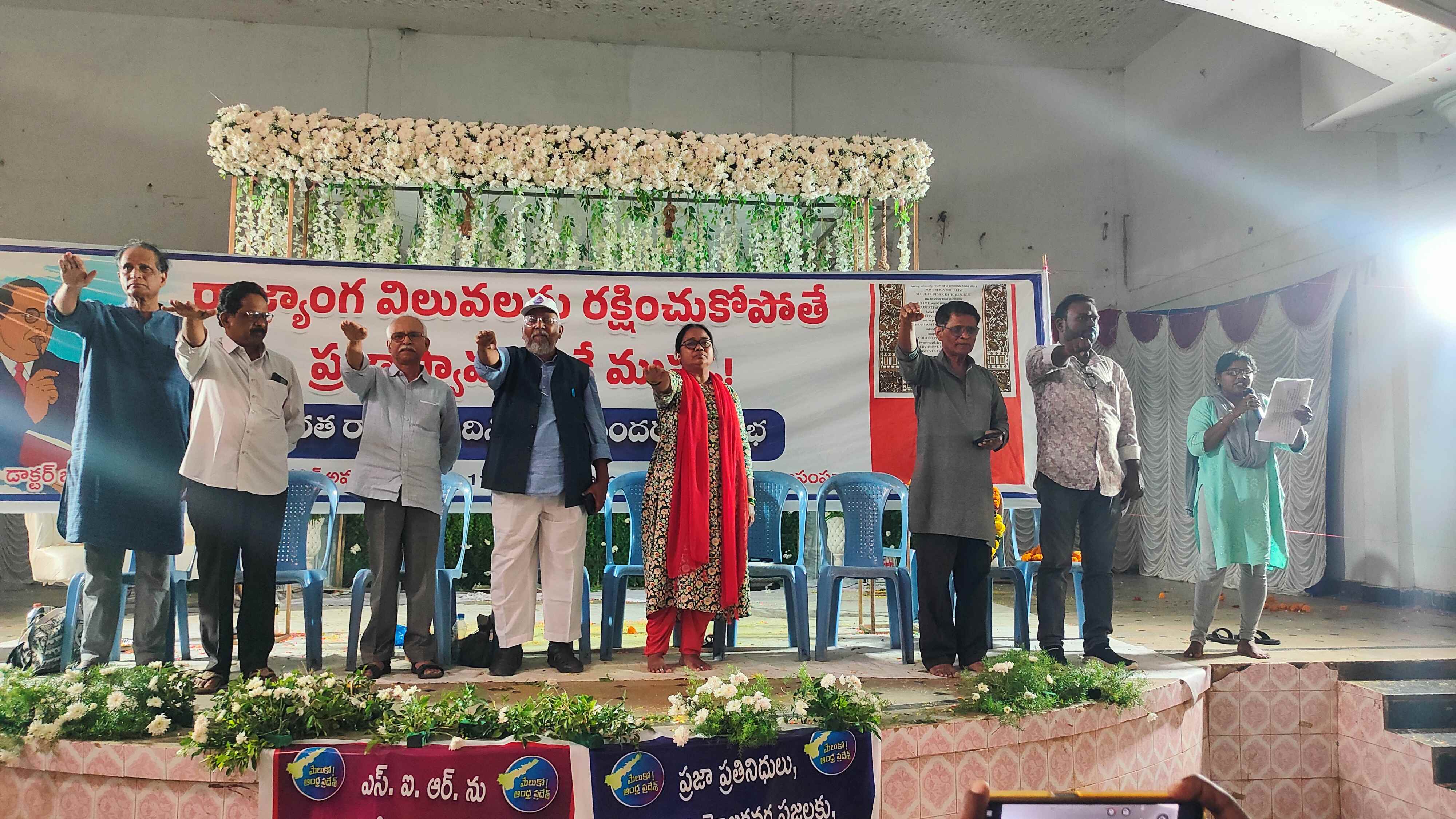
Constitution Day Celebration at Amalapuram: Reaffirming Commitment to Constitutional Values
Posted On March 13, 2026
On 26 November 2025, Constitution Day was commemorated with great enthusiasm in Amalapuram by Dalit organizations from across the Konaseema region. The district-level program was organized to honor the adoption of the Constitution of India and to reaffirm the commitment of marginalized communities to the values of justice, equality, and democracy. The event was coordinated with the active involvement of PARA and several social and political organizations dedicated to social justice. It was held at the Dr. B. R. Ambedkar Community Hall in Amalapuram.
The program began with inspiring songs dedicated to B. R. Ambedkar, which filled the gathering with the spirit of “Jai Bheem.” Participants raised slogans celebrating Ambedkar’s vision and his lifelong struggle for justice and equality. The event formally commenced with the collective recitation of the Preamble to the Constitution of India, reaffirming the fundamental values of justice, liberty, equality, and fraternity.
As a mark of respect and gratitude, participants garlanded the statue of Dr. B. R. Ambedkar, acknowledging his historic contribution as the chief architect of the Constitution and a tireless advocate for the rights of marginalized communities.
Theme and Key Speakers
The central theme of the program was “Endangers to Humanity if the Constitution is Not Protected.” Several distinguished speakers addressed the gathering, including Prof. Anjaiah from Acharya Nagarjuna University, V. S. Krishna from the Forum for Human Rights, Dr. Ravi Kumar, a state leader of JVV, Md. Subhan and Ramesh from Meluko Andhra Pradesh, and Smt. Subbayamma, a noted social activist.
The speakers emphasized the importance of the Constitution as a powerful instrument that guarantees equality, justice, and dignity for all citizens. They highlighted how constitutional provisions have played a crucial role in protecting the rights of Dalits, marginalized communities, and other oppressed sections of society.
Importance of the Constitution
During the discussions, speakers reflected on the significance of the Constitution as the foundation of India’s democratic system. They explained that the Constitution ensures fundamental rights, protects minorities, and establishes equality before the law. For historically oppressed communities, the Constitution has been a vital tool that provides legal safeguards against discrimination and exploitation while enabling social mobility and empowerment.
Concerns about Challenges to Constitutional Values
The gathering also addressed growing concerns about challenges to constitutional values in contemporary society. Participants discussed several developments that they believe reflect injustice or disrespect toward the Constitution. These concerns included attempts to weaken democratic institutions, increasing incidents of discrimination and violence against marginalized communities, and efforts to dilute policies meant to protect Scheduled Castes, Scheduled Tribes, and other vulnerable groups.
Speakers also highlighted issues such as the misuse of power, suppression of voices advocating for justice, and the lack of awareness about constitutional values among certain sections of society. They stressed that any attempt to weaken the Constitution could endanger democracy, social harmony, and the rights of vulnerable communities.
Unity Among Ambedkarite Movements
The program strongly emphasized the need for unity among Dalits, Ambedkarite movements, and democratic organizations. Participants called for strengthening collective efforts to protect the Constitution and promote social justice. The gathering encouraged organizations and activists to work together to defend constitutional rights and ensure that the values envisioned by Dr. Ambedkar remain alive in public life.
Importance of Voting and Political Awareness
Another important topic discussed during the event was the power of voting in a democratic system. Speakers encouraged participants to educate young people and community members about the significance of voting responsibly. Elections were described as a vital opportunity for citizens to choose leaders who respect constitutional values and work for the welfare of marginalized communities.
The gathering also stressed the importance of preparing for the upcoming 2029 elections by raising awareness among youth about the Constitution and their democratic rights.
Collective Efforts of Participating Organizations
The Constitution Day program was organized through the joint efforts of several organizations, including Meluko Andhra Pradesh, the Communist Party of India (Marxist), the Republican Party of India, the Progressive Democratic Students Union, Ambedkar Sanghas, the Communist Party of India, the Madiga Reservation Porata Samithi, PDM, the SC–ST Employees Association, and the Samata Sainik Dal, among others.
Participation from Diverse Sections of Society
The event witnessed enthusiastic participation from a wide range of people across different sections of society. The gathering included youth, adults, community leaders, Anganwadi teachers, Auxiliary Nurse Midwives (ANMs), and socially active members from several villages in the Konaseema region.
The participation of youth was particularly significant, as they represent the future custodians of constitutional values and democratic principles. At the same time, the involvement of grassroots workers such as Anganwadi teachers and ANMs demonstrated the crucial role played by community-level workers in spreading awareness about constitutional rights and responsibilities.
In total, more than 400 people attended the program, making it a large and impactful gathering. The strong turnout reflected the community’s deep respect for Dr. Ambedkar’s ideals and their determination to protect the Constitution of India.
A Collective Resolve for the Future
The participants resolved to continue spreading awareness about constitutional rights and to work collectively to ensure that the Constitution remains protected for present and future generations. The Constitution Day celebration thus became an important platform for dialogue, reflection, and collective commitment to safeguarding democratic values.
The program concluded with a strong call to uphold constitutional principles, strengthen unity among marginalized communities, and promote active democratic participation in society. Through such efforts, the legacy of Dr. B. R. Ambedkar and the spirit of the Constitution continue to inspire movements for justice, equality, and dignity across the country.
Read More