

News
- Home
- News
.jpeg)
Stakeholders' Dialogue on International Day Against Child Labour 2026
Posted On June 12, 2026
Stakeholders' Dialogue on International Day Against Child Labour 2026
Theme:
"Building a Child Labour Free World"
On the occasion of the International Day Against Child Labour, PARA Organization organized a Stakeholders' Dialogue aimed at raising awareness on child rights, child protection, and collective responsibility towards eliminating child labour. The program brought together children, government officials, child protection stakeholders, and community representatives to deliberate on the challenges faced by children and the measures required to ensure their safety, education, and overall well-being.
Objectives of the Program
The program was organized with the following objectives:
- To create awareness among children and stakeholders about the harmful effects of child labour.
- To promote child rights and child protection mechanisms.
- To strengthen coordination among government departments, child protection agencies, and communities.
- To encourage children to continue their education and become advocates against child labour.
- To build a collective commitment towards creating child labour-free communities.
Participation
A total of 49 children participated in the program from the blocks of, Atreyapuram, Ravulapalem, Kothapeta and Alamuru. The event was coordinated by Mr. G. China Durga, Children's Wing Coordinator, PARA Organization.
Distinguished Guests
The occasion was graced by:
- Director, PARA Organization
- Assistant Director, PARA Organization
- Ms. Santhoshi Kumari – Member, Child Welfare Committee (CWC)
- Mr. Srinivas Rao – Protection Officer, Women and Child Welfare Department
- Ms. Gajalakshmi – Child Development Officer (CDO), ICDS Department
Their presence added significance to the event and reinforced the commitment of various stakeholders towards child protection and welfare.
Inaugural Session
The program commenced with the recitation of the Preamble of the Constitution of India, reinforcing the values of justice, equality, liberty, and fraternity among the participants. This was followed by the inauguration of a special awareness poster on the International Day Against Child Labour by the dignitaries present on the dais.
The poster symbolized the collective pledge of all stakeholders to protect children from exploitation and ensure access to education, dignity, and opportunities for development.
Key Sessions and Discussions
Setting the Context: Child Protection and Child Rights
Mr. Thomas Pallithanam, Director of PARA Organization, introduced the theme of the day and emphasized the importance of protecting children in all difficult situations. He presented the powerful concept of the Three S's – See, Speak, and Save:
- See children who are vulnerable and in distress.
- Speak against violations and exploitation.
- Save children by connecting them with appropriate support systems.
His message highlighted that every individual in society has a responsibility to identify and respond to situations that threaten children's rights and safety.
Understanding Child Labour and Legal Protection
Mr. Srinivas, Protection Officer from the Women and Child Welfare Department, spoke extensively on the Child Labour Act and various forms of exploitation faced by children. He explained:
- The legal provisions prohibiting child labour.
- Bonded labour and forced labour practices.
- Workplace hazards and unsafe conditions affecting children.
- The importance of reporting violations through appropriate authorities.
He encouraged children and community members to be vigilant and to seek help whenever they encounter child labour or abuse.
Child Welfare and Protection Mechanisms
Ms. Santhoshi Kumari, Member of the Child Welfare Committee (CWC), addressed the participants on various risks faced by children in society, including:
- Child labour
- Child begging
- Physical abuse
- Sexual abuse
- Neglect and exploitation
She explained the roles and responsibilities of the Child Welfare Committee, emphasizing its mandate to protect children who are in need of care and protection. Participants learned about the support services available for vulnerable children, including shelter homes, rehabilitation services, counseling, and legal assistance.
The session helped children understand where and how to seek support during difficult situations.
Child Development and Safety Education
Ms. Gajalakshmi, Child Development Officer (CDO), ICDS Department, conducted an informative session on Kishore Vikasam, focusing on adolescent development and safety.
Key topics covered included:
- Prevention of child marriages
- Personal safety and self-protection
- Safe touch and unsafe touch
- Online safety and cyber risks
- Identifying and responding to suspicious behavior
The session encouraged children to build confidence, make informed decisions, and report any uncomfortable or threatening situations to trusted adults and authorities.
Children's Participation and Engagement
The program adopted a participatory approach, encouraging children to ask questions, share experiences, and engage in discussions. Interactive sessions helped participants better understand their rights and responsibilities.
The children actively participated in slogan campaigns promoting:
- "Stop Child Labour"
- "Every Child in School"
- "Protect Childhood, Protect the Future"
- "Education is Every Child's Right"
The slogans reflected the children's growing awareness and commitment towards creating safer communities for themselves and their peers.
Outcomes of the Program
The program achieved several positive outcomes:
- Increased awareness among children regarding child rights and protection mechanisms.
- Improved understanding of child labour laws and reporting systems.
- Enhanced knowledge on personal safety, child protection, and online risks.
- Strengthened collaboration between government departments and civil society stakeholders.
- Encouraged children to become ambassadors against child labour within their communities.
- Reinforced the importance of education as a tool for empowerment and social transformation.
Conclusion
The Stakeholders' Dialogue on the International Day Against Child Labour served as an important platform for promoting child rights and strengthening child protection systems. Through the active involvement of government officials, child protection agencies, and children themselves, the event reinforced the shared responsibility of creating a society where every child is safe, protected, educated, and free from exploitation.
The program concluded with a collective pledge to eliminate child labour and ensure that every child enjoys a safe and nurturing childhood. Certificates of participation were distributed to all children in recognition of their active involvement and commitment to promoting child rights.
PARA Organization remains committed to working with communities, government departments, and children to build child-friendly and child labour-free communities where every child can realize their full potential.
Residential Training Program for DVMC and CVMC Members on SC/ST (PoA) Act and Rules
Posted On June 6, 2026
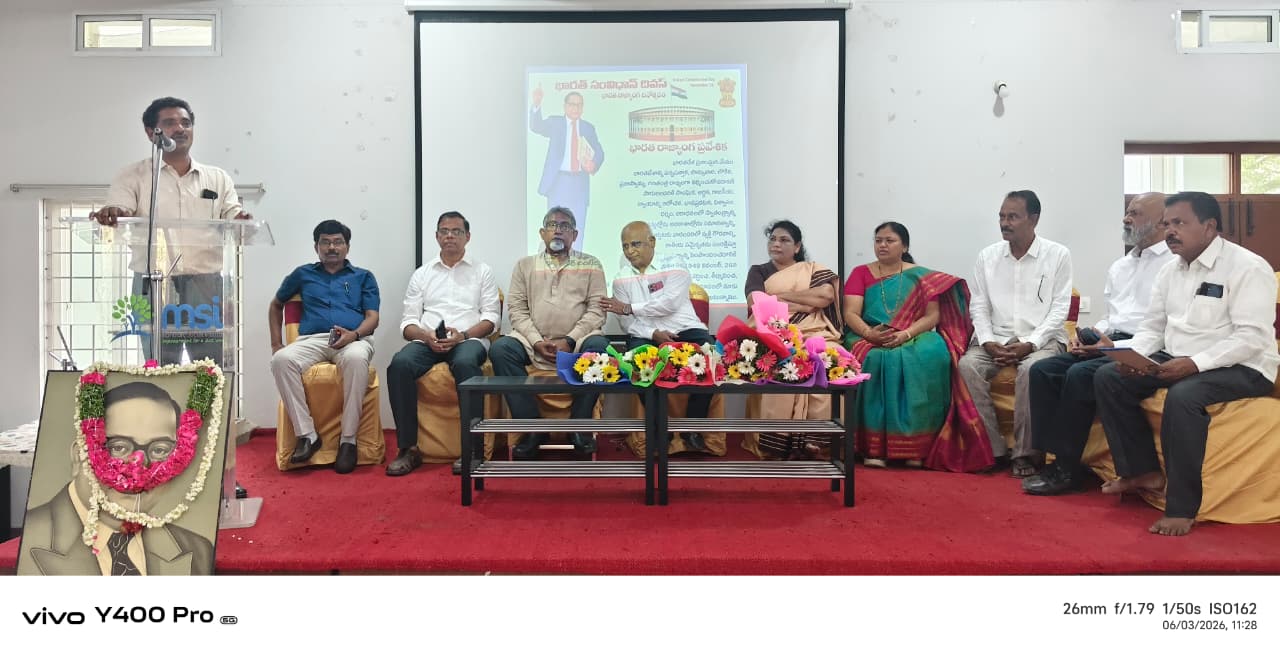
PARA successfully organized three Residential Training Programs for District Vigilance and Monitoring Committee (DVMC) and Community Vigilance and Monitoring Committee (CVMC) members on the Scheduled Castes and Scheduled Tribes (Prevention of Atrocities) Act, 1989 and its Rules. The training programs were conducted from 3rd June to 5th June 2026 at Montfort Social Institute, Ramanthapur, Hyderabad.
The objective of the training was to strengthen the knowledge and capacities of DVMC and CVMC members on the effective implementation of the SC/ST (PoA) Act and Rules, victim protection mechanisms, legal remedies, and community-based monitoring of atrocity cases.
Inaugural Session
The training program commenced with a solemn inaugural session. Participants and guests paid tribute to Dr. B.R. Ambedkar by garlanding his portrait and collectively reciting the Preamble of the Constitution of India, reaffirming their commitment to justice, liberty, equality, and fraternity.
The inaugural session was graced by distinguished guests and resource persons including:
Ø Mr. Paul Divakar – Human Rights Activist
Ø Ms. Geddam Jhansi – Dalit Women Rights Activist
Ø Mr. Desal Bhupal – Telangana State RTI Commissioner
Ø Br. Varghese – Director, Montfort Social Institute
Ø Mr. D. Narasimha – Telangana State High Court Judge-cum-Public Prosecutor
Ø Mr. Nandagopal – Former Director of Sakshi and Human Rights Activist
Ø Mr. Edwin – Scholar and Human Rights Activist
Ø Mr. Penki Chitti Babu – Program Manager
During the inaugural session, the speakers highlighted the efforts and achievements of DBSU in addressing caste-based atrocities and supporting victims despite numerous challenges. They emphasized the importance of strengthening grassroots vigilance mechanisms and ensuring effective implementation of constitutional safeguards for Scheduled Castes and Scheduled Tribes.
A significant highlight of the inauguration was the formal release of the Training Module on the SC/ST (PoA) Act and Rules, which will serve as an important resource for community leaders, activists, and committee members.
Key Training Sessions
Over the three-day residential training, participants engaged in intensive learning and discussions on various legal, administrative, and advocacy-related aspects concerning the rights of SC/ST communities. The major topics covered included:
- Overview of the SC/ST (Prevention of Atrocities) Act and Rules.
- Government Order (G.O.) No. 95 relating to crime registration and compensation for victims.
- Protection of victims and witnesses and their legal rights.
- Fact-finding methodologies and documentation of atrocity cases.
- Right to Information (RTI) Act and filing RTI applications using appropriate legal provisions.
- Legal Clinics and their role in community justice.
- Judicial activism and access to justice mechanisms.
- District Legal Services Authority (DLSA) services and legal aid provisions.
The resource persons provided practical insights, case studies, and field experiences, enabling participants to better understand legal procedures and intervention strategies for atrocity cases.
Participation
The training witnessed active participation from DVMC and CVMC members representing various districts of Andhra Pradesh and Telangana.
Andhra Pradesh
- Vizianagaram
- Dr. B.R. Ambedkar Konaseema
- Prakasam
- Guntur
- Kadapa
- Manyam
Telangana
- Mahabubnagar
- Rangareddy
- Yadadri Bhuvanagiri
- Warangal
- Suryapet
- Vikarabad
- Khammam
The participants actively shared their field experiences, challenges, and best practices in addressing caste-based discrimination and atrocities in their respective regions.
Outcomes
The training enhanced participants' understanding of:
- Legal provisions under the SC/ST (PoA) Act and Rules.
- Procedures for securing justice, compensation, and rehabilitation for victims.
- Community-based monitoring and vigilance mechanisms.
- Effective use of RTI and legal aid services.
- Fact-finding and documentation skills for atrocity cases.
- Strengthening collaboration with government agencies, DLSA, and other stakeholders.
The program also created a platform for networking and collective learning among DVMC and CVMC members across Andhra Pradesh and Telangana.
Conclusion
The three-day residential training program successfully strengthened the capacities of DVMC and CVMC members to advocate for the rights of Scheduled Castes and Scheduled Tribes and to effectively respond to atrocity cases. The sessions reinforced the importance of community vigilance, legal awareness, and coordinated action in ensuring justice, dignity, and constitutional rights for marginalized communities.
PARA expresses its sincere gratitude to all the resource persons, participants, and the Montfort Social Institute for their valuable support and contribution to the successful conduct of the program.
Read More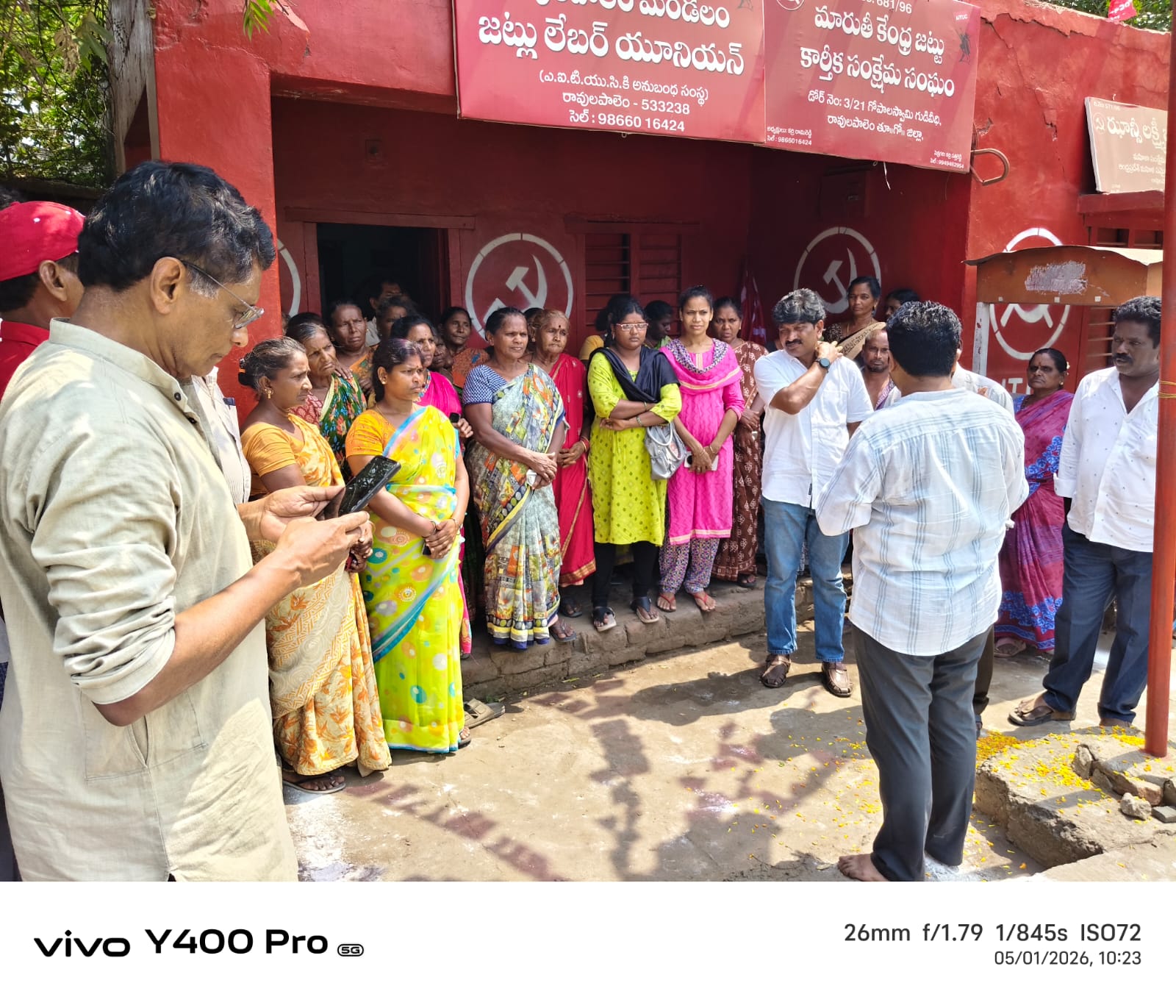
Report on International Labour Day Celebration at Ravulapalem
Posted On May 1, 2026
International Labour Day (MAY DAY) was solemnly and enthusiastically celebrated at Ravulapalem by PARA in collaboration with various labour unions. The program was organized with the objective of honoring the invaluable contributions of workers and creating awareness about their rights, dignity, and social importance.
The celebration commenced with a flag hoisting ceremony, which symbolized the unity, strength, and collective spirit of the working class. The atmosphere was filled with a sense of solidarity and respect for labourers who form the backbone of society.
Fr. Simharayulu, Assistant Director of PARA, was the chief speaker on the occasion. In his address, he elaborated on the historical background and significance of International Labour Day. He spoke about the struggles faced by workers across the world, particularly recalling movements that fought for basic rights such as fair wages, reasonable working hours, and safe working conditions. He emphasized that Labour Day is not just a celebration, but also a reminder of the ongoing responsibility to protect and promote workers’ rights.
He further encouraged the gathering to remain united and aware, stressing that collective action and solidarity are essential in addressing the challenges faced by labourers even today. He also appreciated the role of organizations like PARA and trade unions in supporting marginalized workers and promoting social justice at the grassroots level.
The program witnessed active and meaningful participation from PARA staff, trade union leaders, and women engaged in field-level activities. The presence of women participants highlighted the significant role they play in the labour force and community development. Their involvement added depth to the program and reflected the inclusive nature of the initiative.
Trade union leaders also expressed their views informally, reinforcing the importance of unity among workers and the need for continued efforts to safeguard labour rights in changing socio-economic conditions.
The celebration served as an important platform for reflection, awareness, and solidarity. It not only honored the contributions of workers but also strengthened the commitment of all stakeholders towards ensuring dignity, equality, and justice for labourers.
Read More.jpeg)
Training Program Report Early Identification and Interventions for Anganwadi Workers (ICDS)
Posted On April 1, 2026
A one-day training program on “Early Identification and Interventions” was successfully conducted on 27 March 2026 at Ravulapalem for Anganwadi Workers. The program aimed at strengthening grassroots-level capacity in identifying developmental delays and disabilities among young children and ensuring timely intervention. It brought together Anganwadi Workers, ICDS officials, and representatives from development organizations, creating a platform for learning, discussion, and collaboration.
Objectives of the Program
The primary objective of the training was to enhance the knowledge and skills of Anganwadi Workers in identifying developmental delays and disabilities among children in the early stages, particularly from birth to six years. The program also aimed to improve their understanding of various types of disabilities and equip them with practical methods for community-level identification. Another important objective was to strengthen coordination between ICDS functionaries and voluntary organizations to ensure better service delivery and support systems for children and their families.
Introductory words:
The program began with an address by Mr. Badugu Mahima Rao, CBR Coordinator, PARA, who emphasized the critical importance of early identification of disabilities, especially before the age of three years. He highlighted that early detection plays a vital role in enabling timely interventions, which can significantly reduce the severity of disabilities and improve the overall quality of life of children.
In his session, he explained different types of disabilities including physical, intellectual, sensory, and developmental conditions. He also elaborated on early signs such as delayed developmental milestones, behavioral changes, and communication difficulties. Practical guidance was provided on simple methods and tools that Anganwadi Workers can use at the community level to identify children at risk and refer them for further support.
Resource team on topic:
The technical session was conducted by Ms. Badugu Subbayamma, who provided detailed insights into government welfare schemes and entitlements available for persons with disabilities. She explained the 21 categories of disabilities recognized under the Rights of Persons with Disabilities Act, 2016, helping participants gain a clear understanding of the legal framework.
She also guided participants on the procedures for accessing benefits such as disability certification, pensions, assistive devices, and other support services. Emphasis was placed on the role of Anganwadi Workers in supporting families by providing accurate information, assisting with documentation, and linking them to relevant services.
ICDS Interventions
Ms. Chandrakala, ICDS Sector Supervisor, addressed the participants and stressed the importance of following government norms and guidelines in all processes related to child welfare. She highlighted the need for transparency and accountability, especially in sensitive matters such as adoption and child protection.
She also emphasized strengthening coordination between Anganwadi Workers and organizations such as PARA and LAMP. She encouraged the workers to actively collaborate with these organizations to improve outreach, ensure timely referrals, and enhance the overall quality of services delivered at the grassroots level.
Skill Development Awareness Session
During the session, Mr. Prakash from DBTech introduced participants to various skill development initiatives being offered free of cost by PARA. He spoke about training programs such as Drone Technology and Solar Computing, which can provide new livelihood opportunities for youth and community members.
Participants were encouraged to identify and motivate eligible beneficiaries to take advantage of these programs, thereby contributing to economic empowerment and sustainable development within their communities.
Participation
The program witnessed active participation from 24 Anganwadi Workers, along with the ICDS Supervisor, resource persons, and representatives from PARA, LAMP, and DBTech. The participants actively engaged in discussions, shared field experiences, and clarified their doubts, making the sessions interactive and meaningful.
The training program resulted in improved knowledge and awareness among Anganwadi Workers regarding early identification of disabilities and developmental delays. Participants gained a better understanding of government schemes and legal provisions, enabling them to guide families more effectively.
The program also strengthened coordination between ICDS and voluntary organizations, fostering a collaborative approach to service delivery. Additionally, awareness of skill development initiatives created new avenues for community engagement and livelihood enhancement.
The training program concluded on a positive note, highlighting the importance of early identification, timely intervention, and coordinated efforts in addressing developmental challenges among children. It proved to be highly informative and practical, equipping Anganwadi Workers with essential knowledge and skills.
Overall, the program significantly contributed to strengthening grassroots-level systems and ensuring better support for children with developmental delays and disabilities, as well as their families.
Conclusion
It is recommended that similar training programs be conducted regularly to reinforce learning and update Anganwadi Workers on new developments. Introducing simple screening tools at Anganwadi centers can further support early identification efforts. Strengthening referral systems with health and rehabilitation services will improve outcomes, and increasing awareness among parents and communities will ensure better participation and early action.
Read More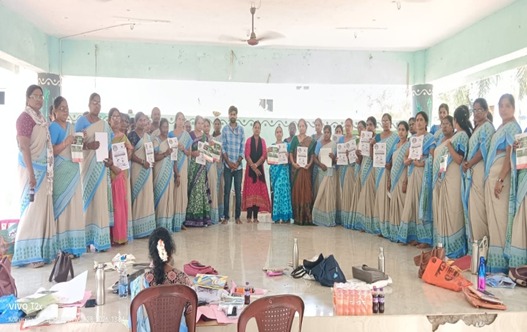
Training Program Report Early Identification and Intervention for Anganwadi Workers (ICDS) – Kothapeta
Posted On April 1, 2026
A training program on “Early Identification and Intervention for Anganwadi Workers (ICDS)” was successfully conducted on 28 March 2026 at the ICDS Divisional Office, Kothapeta, covering the Palivela and Kothapeta sectors. The program was organized by the People’s Action for Rural Awakening (PARA) under the leadership of Mr. Badugu Mahima Rao, CBR Coordinator, with the support of Manos Unidas. A total of 46 Anganwadi Teachers actively participated in the training, making it a significant capacity-building initiative at the grassroots level.
The primary objective of the program was to strengthen the knowledge and skills of Anganwadi Workers in the early identification of developmental delays and disabilities among children, particularly those below the age of three years. The training also aimed at improving their understanding of different types of disabilities and enhancing coordination between ICDS functionaries and voluntary organizations for better service delivery.
In his keynote address, Mr. Badugu Mahima Rao emphasized the critical importance of early identification and timely intervention. He explained that identifying developmental delays at an early stage can significantly reduce the long-term impact of disabilities and improve the overall quality of life of children. He elaborated on the various types of disabilities, the early signs and symptoms to be observed in children, and the simple methods and tools that can be used at the community level for early detection. His session provided practical insights that are directly applicable to the day-to-day work of Anganwadi Workers.
The technical session was facilitated by Ms. Badugu Subbayamma, who served as the resource person for the program. She delivered a detailed presentation on the government welfare schemes and pension provisions available for persons with disabilities. She also explained in depth the 21 categories of disabilities recognized under the Rights of Persons with Disabilities Act, 2016, enabling participants to better understand the legal framework and classification. Further, she guided the participants on the procedures to access these entitlements, and how they can support families in availing the benefits effectively.
Ms. Begam, ICDS Sector Supervisor, Ravulapalem, addressed the participants and highlighted the importance of adhering to government norms and guidelines in all processes related to child welfare. She stressed the need for strong coordination between Anganwadi Workers and organizations such as PARA and LAMP, which can help in ensuring timely support and services to children with developmental delays and disabilities. Her address reinforced the role of convergence in improving outcomes at the community level.
During the program, Mr. Prakash (DBTech), representing PARA, provided information on ongoing skill development initiatives offered by the organization. He shared details about training opportunities in Drone Technology and Solar Computing, encouraging participants to inform eligible beneficiaries and youth in their communities about these programs for enhancing livelihood opportunities.
The training program witnessed the active participation of all 46 Anganwadi Workers, along with ICDS supervisors and representatives from PARA and LAMP. The sessions were interactive and informative, allowing participants to engage, clarify doubts, and gain both theoretical knowledge and practical understanding relevant to their field responsibilities.
In conclusion, the program successfully reinforced the importance of early identification, timely intervention, and effective coordination among stakeholders. It strengthened the capacity of Anganwadi Workers by equipping them with essential knowledge and practical skills required to identify developmental delays and support children and their families. The training is expected to contribute significantly to improving service delivery and ensuring better developmental outcomes for children at the grassroots level.
Read More