

News
- Home
- News
Report on International Labour Day Celebration at Ravulapalem
Posted On May 1, 2026
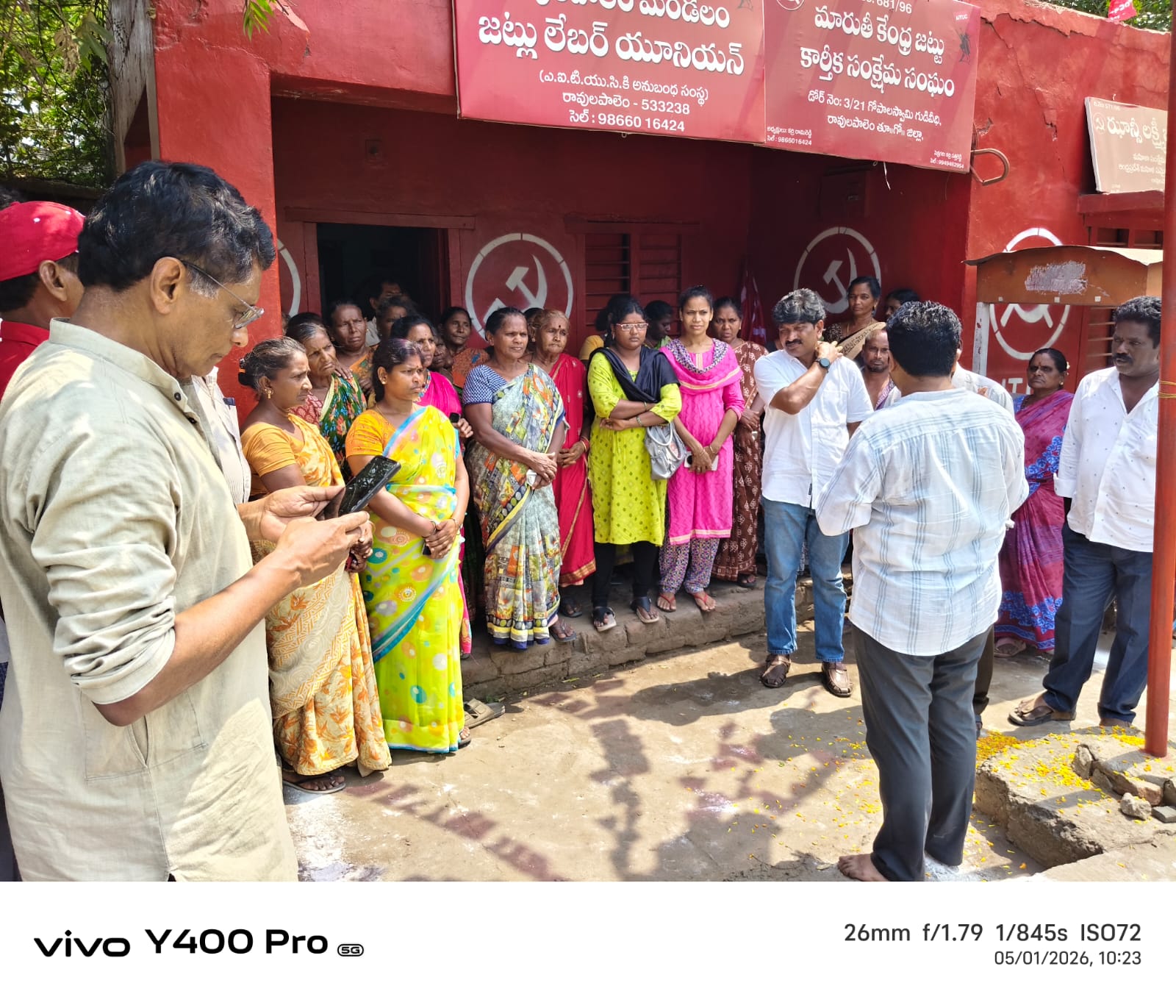
International Labour Day (MAY DAY) was solemnly and enthusiastically celebrated at Ravulapalem by PARA in collaboration with various labour unions. The program was organized with the objective of honoring the invaluable contributions of workers and creating awareness about their rights, dignity, and social importance.
The celebration commenced with a flag hoisting ceremony, which symbolized the unity, strength, and collective spirit of the working class. The atmosphere was filled with a sense of solidarity and respect for labourers who form the backbone of society.
Fr. Simharayulu, Assistant Director of PARA, was the chief speaker on the occasion. In his address, he elaborated on the historical background and significance of International Labour Day. He spoke about the struggles faced by workers across the world, particularly recalling movements that fought for basic rights such as fair wages, reasonable working hours, and safe working conditions. He emphasized that Labour Day is not just a celebration, but also a reminder of the ongoing responsibility to protect and promote workers’ rights.
He further encouraged the gathering to remain united and aware, stressing that collective action and solidarity are essential in addressing the challenges faced by labourers even today. He also appreciated the role of organizations like PARA and trade unions in supporting marginalized workers and promoting social justice at the grassroots level.
The program witnessed active and meaningful participation from PARA staff, trade union leaders, and women engaged in field-level activities. The presence of women participants highlighted the significant role they play in the labour force and community development. Their involvement added depth to the program and reflected the inclusive nature of the initiative.
Trade union leaders also expressed their views informally, reinforcing the importance of unity among workers and the need for continued efforts to safeguard labour rights in changing socio-economic conditions.
The celebration served as an important platform for reflection, awareness, and solidarity. It not only honored the contributions of workers but also strengthened the commitment of all stakeholders towards ensuring dignity, equality, and justice for labourers.
Read More.jpeg)
Training Program Report Early Identification and Interventions for Anganwadi Workers (ICDS)
Posted On April 1, 2026
A one-day training program on “Early Identification and Interventions” was successfully conducted on 27 March 2026 at Ravulapalem for Anganwadi Workers. The program aimed at strengthening grassroots-level capacity in identifying developmental delays and disabilities among young children and ensuring timely intervention. It brought together Anganwadi Workers, ICDS officials, and representatives from development organizations, creating a platform for learning, discussion, and collaboration.
Objectives of the Program
The primary objective of the training was to enhance the knowledge and skills of Anganwadi Workers in identifying developmental delays and disabilities among children in the early stages, particularly from birth to six years. The program also aimed to improve their understanding of various types of disabilities and equip them with practical methods for community-level identification. Another important objective was to strengthen coordination between ICDS functionaries and voluntary organizations to ensure better service delivery and support systems for children and their families.
Introductory words:
The program began with an address by Mr. Badugu Mahima Rao, CBR Coordinator, PARA, who emphasized the critical importance of early identification of disabilities, especially before the age of three years. He highlighted that early detection plays a vital role in enabling timely interventions, which can significantly reduce the severity of disabilities and improve the overall quality of life of children.
In his session, he explained different types of disabilities including physical, intellectual, sensory, and developmental conditions. He also elaborated on early signs such as delayed developmental milestones, behavioral changes, and communication difficulties. Practical guidance was provided on simple methods and tools that Anganwadi Workers can use at the community level to identify children at risk and refer them for further support.
Resource team on topic:
The technical session was conducted by Ms. Badugu Subbayamma, who provided detailed insights into government welfare schemes and entitlements available for persons with disabilities. She explained the 21 categories of disabilities recognized under the Rights of Persons with Disabilities Act, 2016, helping participants gain a clear understanding of the legal framework.
She also guided participants on the procedures for accessing benefits such as disability certification, pensions, assistive devices, and other support services. Emphasis was placed on the role of Anganwadi Workers in supporting families by providing accurate information, assisting with documentation, and linking them to relevant services.
ICDS Interventions
Ms. Chandrakala, ICDS Sector Supervisor, addressed the participants and stressed the importance of following government norms and guidelines in all processes related to child welfare. She highlighted the need for transparency and accountability, especially in sensitive matters such as adoption and child protection.
She also emphasized strengthening coordination between Anganwadi Workers and organizations such as PARA and LAMP. She encouraged the workers to actively collaborate with these organizations to improve outreach, ensure timely referrals, and enhance the overall quality of services delivered at the grassroots level.
Skill Development Awareness Session
During the session, Mr. Prakash from DBTech introduced participants to various skill development initiatives being offered free of cost by PARA. He spoke about training programs such as Drone Technology and Solar Computing, which can provide new livelihood opportunities for youth and community members.
Participants were encouraged to identify and motivate eligible beneficiaries to take advantage of these programs, thereby contributing to economic empowerment and sustainable development within their communities.
Participation
The program witnessed active participation from 24 Anganwadi Workers, along with the ICDS Supervisor, resource persons, and representatives from PARA, LAMP, and DBTech. The participants actively engaged in discussions, shared field experiences, and clarified their doubts, making the sessions interactive and meaningful.
The training program resulted in improved knowledge and awareness among Anganwadi Workers regarding early identification of disabilities and developmental delays. Participants gained a better understanding of government schemes and legal provisions, enabling them to guide families more effectively.
The program also strengthened coordination between ICDS and voluntary organizations, fostering a collaborative approach to service delivery. Additionally, awareness of skill development initiatives created new avenues for community engagement and livelihood enhancement.
The training program concluded on a positive note, highlighting the importance of early identification, timely intervention, and coordinated efforts in addressing developmental challenges among children. It proved to be highly informative and practical, equipping Anganwadi Workers with essential knowledge and skills.
Overall, the program significantly contributed to strengthening grassroots-level systems and ensuring better support for children with developmental delays and disabilities, as well as their families.
Conclusion
It is recommended that similar training programs be conducted regularly to reinforce learning and update Anganwadi Workers on new developments. Introducing simple screening tools at Anganwadi centers can further support early identification efforts. Strengthening referral systems with health and rehabilitation services will improve outcomes, and increasing awareness among parents and communities will ensure better participation and early action.
Read More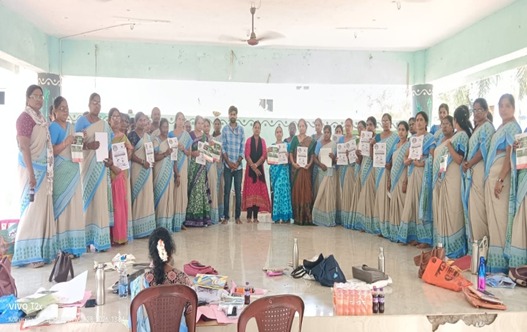
Training Program Report Early Identification and Intervention for Anganwadi Workers (ICDS) – Kothapeta
Posted On April 1, 2026
A training program on “Early Identification and Intervention for Anganwadi Workers (ICDS)” was successfully conducted on 28 March 2026 at the ICDS Divisional Office, Kothapeta, covering the Palivela and Kothapeta sectors. The program was organized by the People’s Action for Rural Awakening (PARA) under the leadership of Mr. Badugu Mahima Rao, CBR Coordinator, with the support of Manos Unidas. A total of 46 Anganwadi Teachers actively participated in the training, making it a significant capacity-building initiative at the grassroots level.
The primary objective of the program was to strengthen the knowledge and skills of Anganwadi Workers in the early identification of developmental delays and disabilities among children, particularly those below the age of three years. The training also aimed at improving their understanding of different types of disabilities and enhancing coordination between ICDS functionaries and voluntary organizations for better service delivery.
In his keynote address, Mr. Badugu Mahima Rao emphasized the critical importance of early identification and timely intervention. He explained that identifying developmental delays at an early stage can significantly reduce the long-term impact of disabilities and improve the overall quality of life of children. He elaborated on the various types of disabilities, the early signs and symptoms to be observed in children, and the simple methods and tools that can be used at the community level for early detection. His session provided practical insights that are directly applicable to the day-to-day work of Anganwadi Workers.
The technical session was facilitated by Ms. Badugu Subbayamma, who served as the resource person for the program. She delivered a detailed presentation on the government welfare schemes and pension provisions available for persons with disabilities. She also explained in depth the 21 categories of disabilities recognized under the Rights of Persons with Disabilities Act, 2016, enabling participants to better understand the legal framework and classification. Further, she guided the participants on the procedures to access these entitlements, and how they can support families in availing the benefits effectively.
Ms. Begam, ICDS Sector Supervisor, Ravulapalem, addressed the participants and highlighted the importance of adhering to government norms and guidelines in all processes related to child welfare. She stressed the need for strong coordination between Anganwadi Workers and organizations such as PARA and LAMP, which can help in ensuring timely support and services to children with developmental delays and disabilities. Her address reinforced the role of convergence in improving outcomes at the community level.
During the program, Mr. Prakash (DBTech), representing PARA, provided information on ongoing skill development initiatives offered by the organization. He shared details about training opportunities in Drone Technology and Solar Computing, encouraging participants to inform eligible beneficiaries and youth in their communities about these programs for enhancing livelihood opportunities.
The training program witnessed the active participation of all 46 Anganwadi Workers, along with ICDS supervisors and representatives from PARA and LAMP. The sessions were interactive and informative, allowing participants to engage, clarify doubts, and gain both theoretical knowledge and practical understanding relevant to their field responsibilities.
In conclusion, the program successfully reinforced the importance of early identification, timely intervention, and effective coordination among stakeholders. It strengthened the capacity of Anganwadi Workers by equipping them with essential knowledge and practical skills required to identify developmental delays and support children and their families. The training is expected to contribute significantly to improving service delivery and ensuring better developmental outcomes for children at the grassroots level.
Read More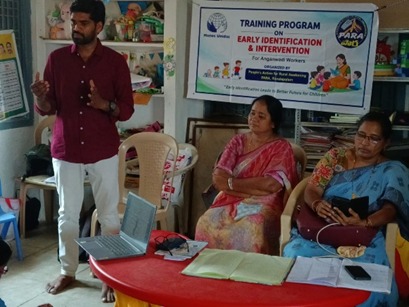
Training program on Early Identification and Interventions to Angawadi workers (ICDS)- Alamuru
Posted On April 1, 2026
The training program on “Early Identification and Interventions to Anganwadi Workers (ICDS)” was successfully conducted on 30 March 2026 at Penikeru Anganwadi Centre in Narsipudi Sector, Alamuru Mandal. The program was organized by People’s Action for Rural Awakening (PARA) under the leadership of Badugu Mahima Rao, CBR Coordinator, with support from Manos Unidas. A total of 26 Anganwadi Teachers actively participated in the training, representing the ICDS sector of the region. The session aimed to strengthen grassroots-level capacity in addressing developmental challenges among children.
The primary objective of the training was to enhance the ability of Anganwadi Workers to identify developmental delays and disabilities at an early stage, particularly among children below three years of age. The program focused on equipping participants with practical knowledge and skills to recognize early warning signs, thereby ensuring timely intervention. Additionally, the training emphasized improving coordination between ICDS functionaries and voluntary organizations to provide comprehensive support systems for children with disabilities.
In his keynote address, Badugu Mahima Rao stressed that early identification plays a critical role in reducing the severity of disabilities and improving long-term developmental outcomes. He highlighted that Anganwadi Workers serve as the first point of contact at the community level and therefore carry significant responsibility. The session included detailed explanations of various types of disabilities, their early symptoms, and simple, practical identification methods that can be applied at the Anganwadi level. His address reinforced the importance of proactive engagement and regular monitoring of children’s growth and development.
The resource person, Badugu Subbayamma, provided an in-depth session on the support systems available for persons with disabilities. She explained various government welfare schemes, including provisions related to healthcare, inclusive education, special education services, and social security benefits such as pensions. She also elaborated on the 21 categories of disabilities recognized under the Rights of Persons with Disabilities Act, 2016, helping participants understand the legal framework. Furthermore, she guided Anganwadi Workers on how to assist families in accessing these services effectively, ensuring that eligible beneficiaries receive timely support.
The program was further strengthened by the presence of Satyaveni, ICDS Supervisor, who appreciated the initiative and noted that such training programs should be extended to all sectors. She highlighted that the session provided valuable insights and new information to the participants. She assured continued collaboration with PARA and other organizations, emphasizing that issues related to children with disabilities would be promptly addressed through coordinated efforts.
Overall, the training witnessed active engagement from all 26 participants, along with ICDS officials and representatives from PARA. The program concluded on a positive note, emphasizing the importance of early identification, timely intervention, and strong coordination among stakeholders. The training significantly enhanced the knowledge and practical skills of Anganwadi Workers, empowering them to play a more effective and proactive role in promoting inclusive child development at the community level.
Read More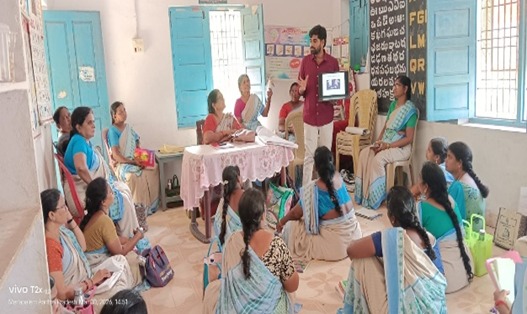
Training program on Early Identification and Interventions to Angawadi workers (ICDS)- Athreyapuram
Posted On April 1, 2026
Introduction
A training program on “Early Identification and Interventions” was organized on March 31, 2026, at the Penikeru Anganwadi Centre in Atreyapuram Mandal, covering Lolla and Merlapalem sectors. The program was conducted under the leadership of Mr. Badugu Mahimarao, CBR Coordinator of PARA (People’s Action for Rural Awakening). It was attended by 54 Anganwadi Workers in the presence of ICDS Sector Supervisors Ms. Padmavathi and Ms. Arundhati.
Objective of the Program
The primary objective of the training was to strengthen the capacity of Anganwadi Workers in identifying developmental delays and disabilities among children at an early stage. The program aimed to enhance their ability to recognize early signs and symptoms, promote timely intervention, and improve coordination between ICDS functionaries and voluntary organizations working in the field.
Key Address by the CBR Coordinator
In his address, Mr. Badugu Mahimarao emphasized the importance of early identification of disabilities, particularly before the age of three years. He explained that timely detection can significantly reduce the severity of disabilities and improve developmental outcomes in children.
He provided practical insights on different types of disabilities, their early signs and symptoms, and simple methods of identification at the Anganwadi level. He highlighted the critical role of Anganwadi Workers in identifying children with developmental delays and ensuring that they receive timely support and intervention at the grassroots level.
Session by Resource Person
The Resource Person, Ms. Badugu Subbayamma, delivered an informative session focusing on welfare schemes available for persons with disabilities. She explained various services such as special education, inclusive education, healthcare facilities, and pension schemes.
She also elaborated on the provisions and the 21 categories of disabilities recognized under the Rights of Persons with Disabilities Act, 2016. Additionally, she guided participants on how to assist families in accessing these benefits effectively and ensuring that eligible children receive appropriate support.
Remarks by ICDS Supervisors
Ms. Padmavathi, ICDS Supervisor, appreciated the initiative and noted that the training provided valuable knowledge on several topics that were previously unfamiliar to the Anganwadi Workers. She expressed confidence that participants would apply the learnings in their respective villages for early identification and support of children with disabilities.
Ms. Arundhati, ICDS Supervisor, also extended her support and encouraged continued collaboration between Anganwadi Workers and organizations like PARA and LAMP to improve service delivery and outreach.
Participation
The program witnessed active and enthusiastic participation from 54 Anganwadi Workers, along with ICDS Sector Supervisors and representatives from PARA and LAMP. The interactive nature of the sessions enabled participants to clarify their doubts and gain practical knowledge.
Conclusion
The training program concluded successfully with a strong emphasis on the importance of early identification, timely intervention, and coordinated efforts in addressing the needs of children with disabilities. The session empowered Anganwadi Workers with practical knowledge and skills, enabling them to play a proactive role in promoting inclusive and community-based child development.
Read More